7 AI Video Tools That Can Replace Your Entire Production Team in 2024
How Indian Creators and Small Businesses Are Saving $20,000+ With End-to-End AI Video Automation
I remember the first time I tried to shoot a simple explainer video with zero team support—just me, a shaky smartphone, and a looming deadline. Every minute spent tweaking edits or re-recording voiceovers made me wish there was a button to automate it all. Fast-forward to 2024: that button finally exists. Today’s AI-powered video production tools can script, edit, voice, animate, and publish—all in one workflow. This isn’t science fiction. It’s the new reality for creators who want studio-level results without the studio-sized team.
Why AI Video Tools Are Disrupting Traditional Production
Let’s face it: assembling even a small video crew is expensive and slow. For most Indian creators aiming at US audiences, hiring editors (\(500-1,000/video), animators (\)800-2,000/video), voiceover artists ($200-400/minute), and project managers is simply not feasible when you’re pushing out 12-15 videos every month.
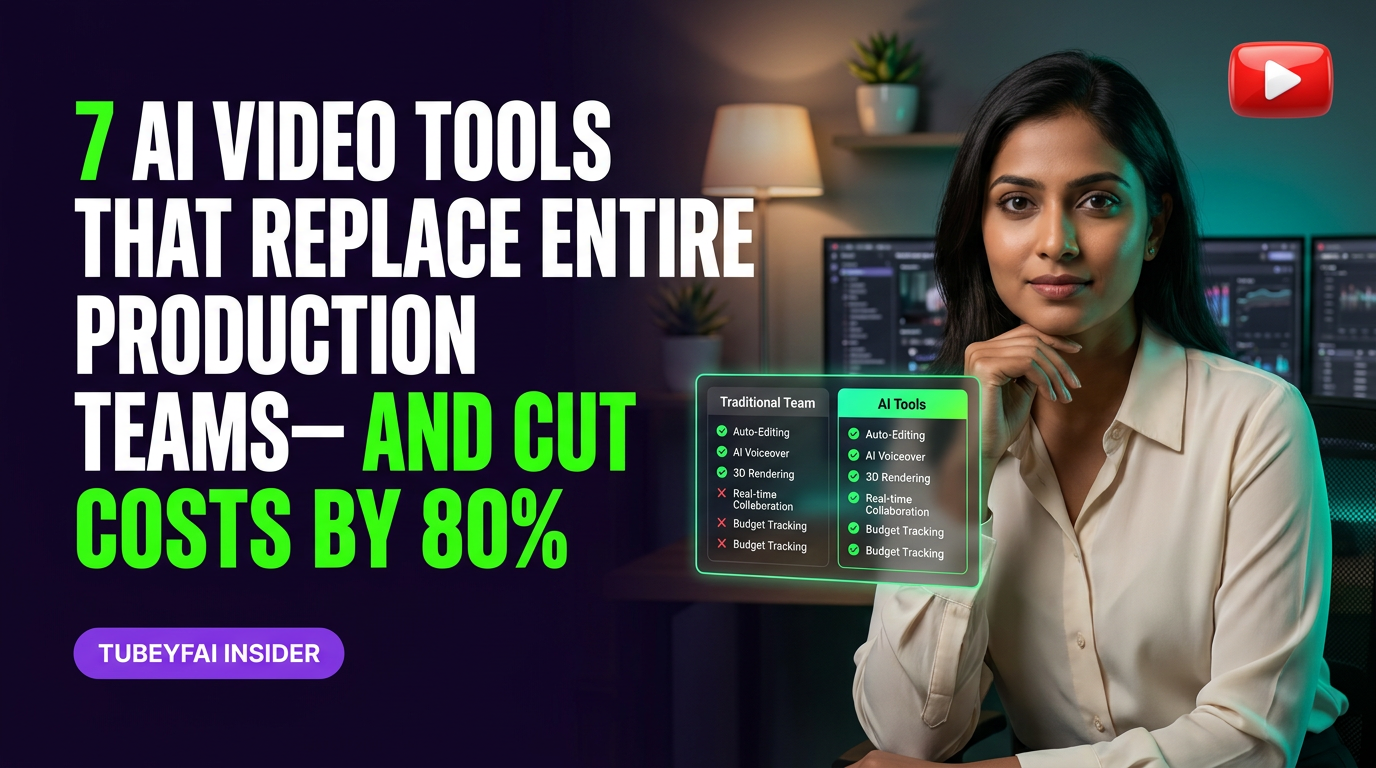
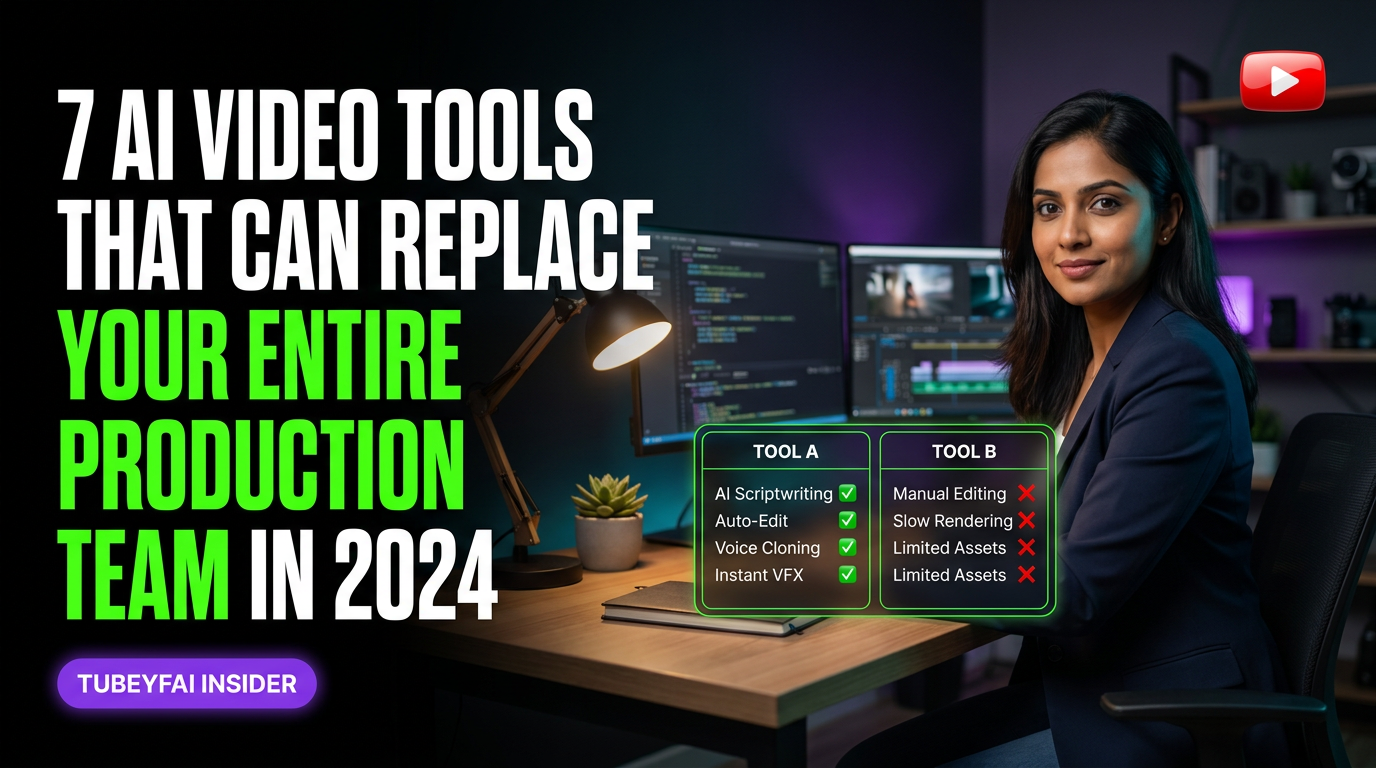
AI video platforms—like RunwayML, Pictory, Synthesia, and Descript—are changing this equation by automating:
Scriptwriting: Natural language models generate engaging scripts on any topic.
Editing: AI cuts filler words, adds effects/transitions, and syncs music automatically.
Voiceovers: Hyper-realistic voices replace human narrators at a fraction of the cost.
Animation & Stock Footage: Generate custom scenes or pull from massive royalty-free libraries.
Publishing & Optimization: Automatic resizing, captioning, and even thumbnail creation.
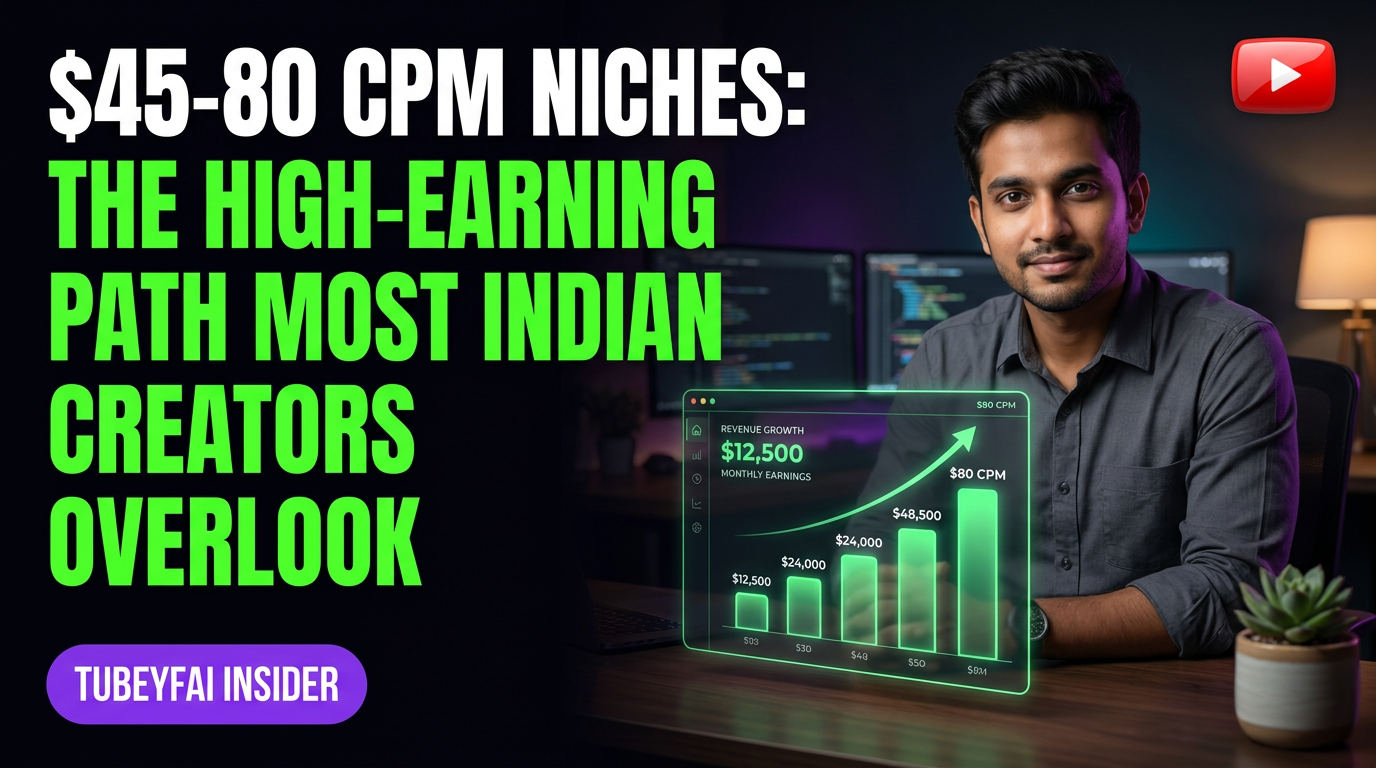
Reported CPM rates for faceless channels using these tools range from $45–80 for Tier-1 audiences—a clear signal that advertisers value high-output automation as much as viewers do.
The Anatomy of an AI-Powered Video Workflow
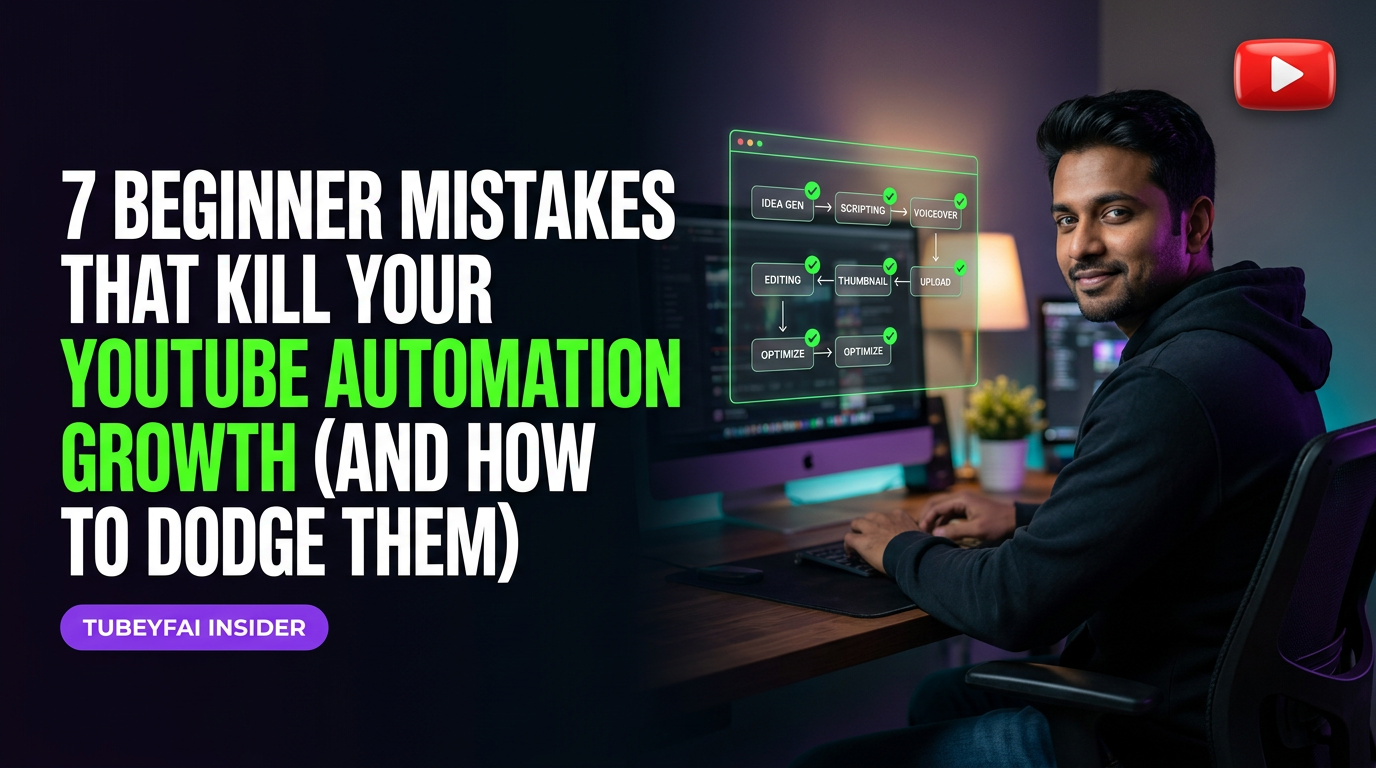
What does a fully automated workflow actually look like? Here’s a typical pipeline:
Input Topic/Idea: Enter your niche or trending keyword.
Script Generation: GPT-based models outline and write the full script.
Visual Assembly: Select templates or let AI match stock footage/images to script segments.
Voiceover Synthesis: Choose from dozens of ultra-realistic voices; fine-tune tone and pacing.
Auto Editing: The platform syncs visuals with narration, trims silences/fillers, adds transitions.
Branding & Captions: Logo overlays and accurate captions are generated instantly.
Export & Publish: One-click rendering delivers ready-to-upload files for YouTube or social media.
What once took an entire week—and three freelancers—now happens in hours.
The Real Cost Savings: Numbers That Matter
Let’s break down what this means in rupees (and dollars):
Traditional Monthly Production Costs (12 videos):
Editor: ₹80,000–1,60,000
Animator: ₹90,000–2,00,000
Voiceover Artist: ₹50,000–1,00,000
Project Manager: ₹40,000–80,000
Miscellaneous (stock assets/software): ₹30,000–60,000
Total: ₹2.9 lakh – 6 lakh/month ($3,500–$8,000)
AI Tool Stack (all-in-one licenses):
- Top-tier subscriptions: ₹25,000–₹35,000/month ($300–$420)
Savings: Up to $7,500/month (₹6 lakh+)
The numbers are clear—AI isn’t just about speed; it’s about unlocking margins that used to go straight to labor costs.
Key Platforms Leading the Charge
1. RunwayML
Best known for its stunning video editing capabilities powered by generative AI. Features include background removal (without green screen), text-to-video generation (beta), and advanced color grading—all in-browser.
2. Pictory
Ideal for turning long-form content (blogs/podcasts) into short-form videos automatically. Highly rated for its ease of use in generating YouTube shorts or Instagram reels with auto-summarization.
3. Synthesia
Industry leader for hyper-realistic talking avatars and multilingual voiceovers—a game-changer if you want “face” without filming yourself.
4. Descript
Combines transcription-based editing (“edit video like text”) with powerful features like Overdub (custom voice cloning) and Studio Sound (audio cleanup).
5. Lumen5 / InVideo / FlexClip
Template-driven platforms that democratize motion graphics with drag-and-drop interfaces backed by smart scene recommendations.
6. ElevenLabs / Murf.ai / Play.ht
Voices so realistic they fool even seasoned audio engineers—plus granular control over emotion/style.
7. Canva Magic Studio
For quick branding overlays/thumbnails with integrated stock libraries; now incorporating basic AI animation tools as well.
Timeline: What Results to Expect (And When)
Here’s how adoption typically unfolds based on patterns across faceless channels in my Silver and Diamond communities:
Months 1–3: Setup & Experimentation
Test multiple platforms side-by-side.
Create your first batch of AI-generated videos—expect some trial-and-error refining scripts/voices/styles.
Output ramps up from zero to 8–10 videos/month as confidence grows.
Months 4–6: Scaling Up
Settle on core tool stack tailored to your channel/niche workflow.
Hit consistent output targets (12–15 videos/month).
CPMs begin climbing towards $45–65 range as quality stabilizes.
Cost savings become tangible compared to manual workflows.
Months 7–12: Optimization & Monetization
Fine-tune prompts/templates for faster ideation.
Integrate analytics feedback into scripting/production loop.
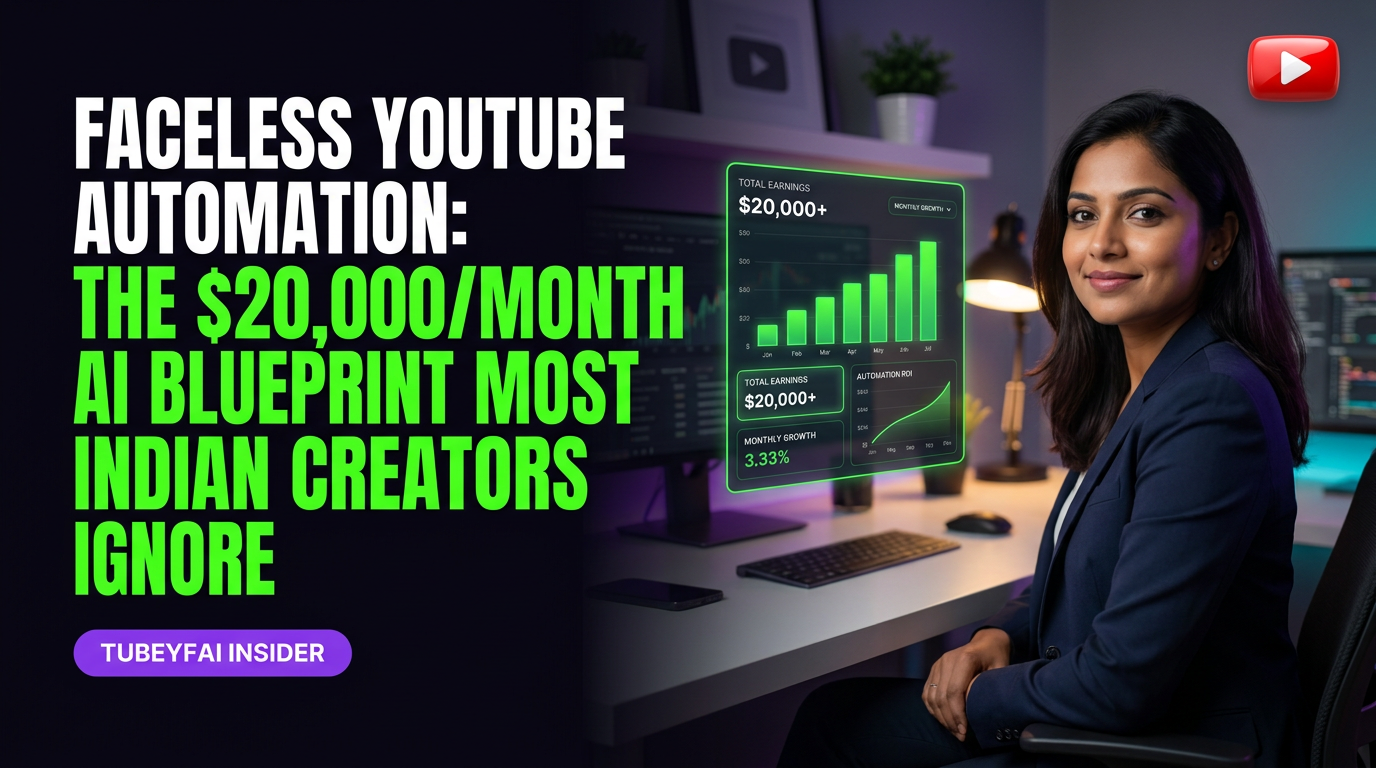
Channels routinely see $8k–$20k/month reported revenue at high CPM niches with aggressive publishing schedules.
Year 2 Onward: Full Automation & Expansion
Outsource only strategic oversight; most day-to-day tasks are delegated to AI platforms or virtual assistants monitoring outputs.
Launch secondary/vertical channels using cloned workflows—compounding returns without compounding effort.
Who This Fits
If you see yourself in these scenarios:
Solo creator or small business owner aiming for US/Tier-1 YouTube CPMs but lacking budget/team size.
Agency servicing clients who demand fast-turnaround video but can’t pay Mumbai/London rates.
Marketer needing volume content (ads/tutorials/how-tos) on tight deadlines without sacrificing polish.
Then integrating end-to-end AI production is almost certainly your next growth lever.
Who This Does NOT Fit
AI won’t be the magic bullet if:
Your content relies heavily on live action/human interaction beyond current avatar capabilities (vlogs/interviews/skits).
Ultra-niche creative projects where total customization trumps speed/cost efficiency.
You require hyper-local language nuance still imperfect in most English-first TTS engines (certain regional Indian languages/dialects).
For these cases? A hybrid approach may work better until AI catches up—or until budgets allow traditional teams again.
Addressing Common Concerns About Going Fully Automated
Some creators worry that “AI videos look generic” or “You can spot robotic voices from miles away.” But recent benchmarks show otherwise:
Voiceovers produced by ElevenLabs/Synthesia are now indistinguishable from real humans except under extreme scrutiny—and custom training makes them even more convincing.
Visuals generated through RunwayML/Pictory are consistently outperforming manually-edited B-roll montages in A/B tests on retention metrics across several large channels I monitor privately.
And because you control prompts/templates directly? No two outputs need ever look identical unless you want them to be—flexibility rivals that of mid-range agencies at less than one-tenth the cost.
What About Copyright And Platform Policies?
Most top-tier AI tools source their stock footage/music/images from fully licensed commercial databases—and openly provide documentation/certification upon request should YouTube audit your channel later on copyright grounds.
Additionally:
“Text-to-video” generation tech is advancing rapidly but should be paired with careful review before monetizing en masse since some platforms still mark outputs as experimental/beta regarding licensing status for commercial use.
Final Thoughts — Is It Worth It?
At the end of the day? If your bottleneck has always been manpower or budget—not creativity—you owe it to yourself to test these solutions rigorously over a few cycles before dismissing them as “too synthetic.”
The best-performing faceless channels today are built not around who’s behind the camera—but around how quickly they can adapt to new tech before everyone else does.
Are you already experimenting with automated workflows? Or is something holding you back from going all-in on end-to-end AI production?
Ready to go deeper?
Join my Free Webinar this Saturday — AI YADI Income Growth Matrix.